Signs of a Bad AC Capacitor in Pomona, CA and What Homeowners Notice First
If your air conditioner in Pomona is humming, struggling to start, or suddenly not cooling the way it should, a failing capacitor could be one possible reason. Many homeowners do not think about the capacitor until the system starts acting up, but this small electrical part plays an important role in helping your AC start and run properly.
In many cases, capacitor problems show up early as strange startup behavior rather than a full breakdown right away. You may notice the outdoor unit hesitating, a humming sound without proper cooling, or a system that keeps shutting off before your home gets comfortable. Knowing what homeowners often notice first can help you act early and avoid losing cooling during hot Pomona weather.
Key Takeaways
- A bad AC capacitor can cause startup problems, weak cooling, short cycling, or a system that stops working altogether.
- Homeowners often first notice humming, delayed startup, or an outdoor unit that does not seem to run normally.
- Capacitor issues are electrical problems and should not be treated as a DIY repair.
- Hot weather in Pomona can put more strain on AC components and make a weak capacitor fail faster.
- Fast diagnosis can help prevent a complete breakdown and restore reliable cooling sooner.
What an AC Capacitor Does and Why It Matters
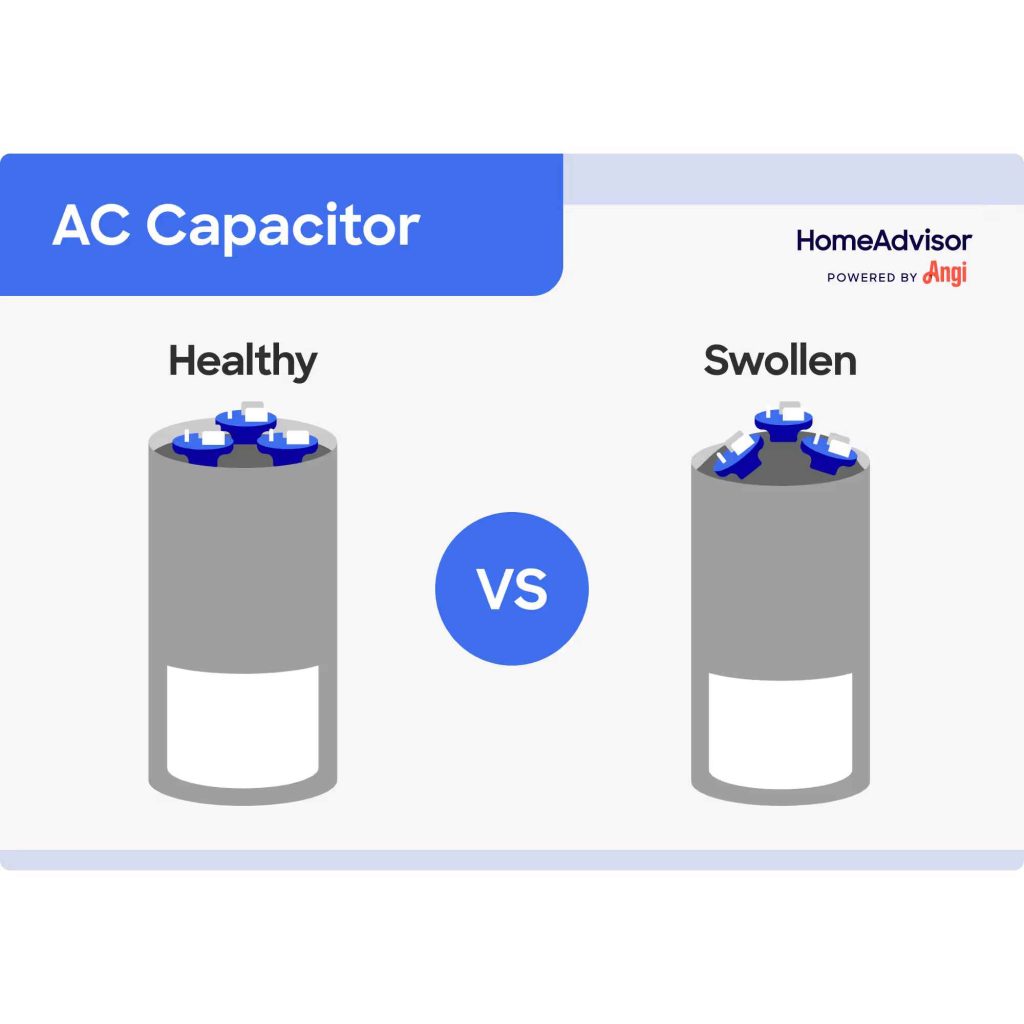
An AC capacitor helps power certain motors and components so your system can start and continue running the way it should. If the capacitor begins to fail, the air conditioner may struggle to turn on, run less efficiently, or stop operating altogether.
Homeowners do not need to understand every technical detail to recognize the effect of a bad capacitor. The important thing to know is that when this part weakens, the system often has trouble getting through normal startup and cooling cycles. That is why capacitor problems can show up as inconsistent behavior before the AC fully stops working.
One of the First Signs Is an AC That Struggles to Start
One of the earliest signs of a bad AC capacitor is an air conditioner that seems to struggle when trying to start. You set the thermostat to cool, expect the system to kick on, and instead you notice hesitation or a delayed response.
In some homes, the outdoor unit may act like it wants to start but never fully gets going. In others, it may start after a delay and then fail again later. This can be especially noticeable during hotter afternoons in Pomona when the system is under more demand and has to cycle more often.
If your AC is no longer starting as smoothly as it used to, that is a warning sign worth paying attention to.
Humming From the Outdoor Unit Without Proper Cooling
Another common symptom homeowners notice first is a humming sound coming from the outdoor unit. The system may sound like it is trying to run, but the house does not cool the way it should.
This kind of humming can happen when the capacitor is no longer helping the system start properly. The outdoor unit may seem active from a distance, yet the cooling performance inside the home may be weak or completely missing.
This symptom is frustrating because it can make the AC appear partly functional when it really is not operating correctly. If you hear humming and your home still feels warm, the issue should not be ignored.
Weak Cooling or Warm Air Can Follow a Failing Capacitor
As capacitor problems get worse, homeowners may start noticing reduced comfort inside the home. The AC may still turn on sometimes, but the cooling becomes inconsistent. Rooms may stay warmer than usual, airflow may feel less effective, or the vents may begin pushing out air that does not feel cool enough.
This happens because the system may not be running at full strength or certain parts may not be starting the way they should. Even if the issue begins as a startup problem, it can quickly become a comfort problem too.
In Pomona, where reliable cooling matters during hot weather, even a small drop in AC performance can become noticeable fast.
Short Cycling or Sudden Shutoffs May Point to Capacitor Trouble
A weak capacitor can also affect how long the system runs. Instead of completing a normal cooling cycle, the AC may turn on, shut off too soon, and then try again later. This pattern is often called short cycling.
To homeowners, this can look like:
- an AC that starts and stops too often
- cooling that never seems to finish
- a system that runs briefly without making much difference
- comfort that changes throughout the day
Short cycling does more than make the home uncomfortable. It can also put extra strain on other AC components. If this keeps happening, the problem may grow into a larger repair if it is not addressed early.
Why Capacitor Problems Often Show Up During Hot Pomona Weather
Capacitor issues often become more obvious when temperatures rise. In Pomona, air conditioners work harder during warm afternoons and summer heat, which means more startup cycles and more strain on electrical components.
A capacitor that seemed fine during milder weather may start failing once the system has to run more often and under heavier demand. That is why many homeowners first notice this problem when their AC is needed the most.
Hot weather does not always cause the failure, but it often exposes a weak capacitor faster.
What Homeowners in Pomona Can Safely Notice Before Calling
There are a few practical things homeowners can observe before scheduling service. These checks can help you explain the problem clearly without trying to repair the unit yourself.
Pay attention to:
- whether the thermostat is calling for cooling
- whether the outdoor unit is humming
- whether the system hesitates before starting
- whether the AC keeps shutting off too early
- whether cooling is weaker during the hottest part of the day
- whether the problem happens every time or only sometimes
These observations can help a technician diagnose the issue more efficiently once they arrive.
Why a Bad Capacitor Is Not a DIY Repair
A bad AC capacitor is not something homeowners should try to repair on their own. Because it is an electrical component, it can present safety risks even when the system is off. More importantly, capacitor problems can look similar to other electrical or component failures, so guessing at the cause can lead to the wrong repair.
Professional diagnosis matters because it helps confirm whether the capacitor is truly the problem or whether another issue is affecting startup and cooling. Trying to force the system to keep running or attempting a DIY fix can make the situation worse.
When to Call for Professional AC Repair
It is time to call for professional ac repair help if:
- your AC hums but does not start properly
- the outdoor unit is not running the way it should
- the system starts late or struggles repeatedly
- cooling drops suddenly
- the AC short cycles or shuts off too quickly
- the unit will not power on at all
- you notice power-related issues when the AC kicks on
These symptoms often get worse, not better, over time. Prompt service can help prevent a complete loss of cooling and reduce the chance of further system strain.
Conclusion
If your AC in Pomona, CA is humming, struggling to start, short cycling, or no longer cooling consistently, a bad capacitor may be one possible cause. These early warning signs are easy to overlook at first, but they often point to a problem that can quickly lead to a full breakdown if ignored. Catching the issue early can help protect your comfort and prevent added stress on the rest of the system.
At Eagle Air Co, we help homeowners in Pomona diagnose AC startup problems, cooling issues, and electrical component failures before they turn into bigger ac repair calls. Our team understands how quickly a weak capacitor can leave a home without reliable cooling during hot weather, and we provide professional air conditioning repair designed to get your system working properly again. If your AC is showing signs of capacitor trouble, now is a smart time to schedule an inspection and get clear answers from a local HVAC company you can trust.

schedule service
Feel free to fill out our contact form.